
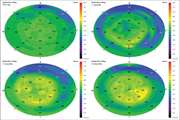
Evaluation of the effect of artificial tears on corneal epithelial thickness changes after photorefractive keratectomy
Artificial tear usage may increase the rate of the epithelial remodeling process in post-PRK patients without significantly altering the final epithelial thickness profile.
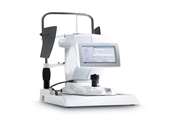
Reply to: Comment on: Comparison of the ocular ultrasonic and optical biometry devices in different quality measurements
Patients using artificial tears showed a faster thickening, especially in the central and paracentral zones, but there were no significant differences between the two groups in the final follow‑up

Technique of simultaneous femtosecond laser assisted Myoring implantation and accelerated intrastromal collagen cross-linking for management of progressive keratoconus: A novel technique
Simultaneous femtosecond laser-assisted Myoring implantation and accelerated corneal intrastromal collagen cross-linking with Dextran Free Riboflavin is a safe and effective technique for management of keratoconus and improving vision.

Changes in stereopsis after photorefractive keratectomy
Photorefractive keratectomy could result in an improvement in stereopsis. Patients with high myopia benefitted most from PRK in terms of improvement in stereopsis.